More audiences like this one
Also in Home. Sorted by how fast they are growing.
118Home
Grandparents on the group chat
Cognitively healthy grandparents aged 60–75 want to stay genuinely present in their grandchildren's lives but feel shut out by apps built for younger users. They need dead-simple tools for video calls, photo sharing, and capturing their stories before those memories are gone.
+306%1,890/mo
top search “family album photo sharing app”196Home
Reading sheds
Homeowning women in their 30s–50s are spending $6,000–$15,000+ to convert backyard sheds into curated private reading retreats. The trend answers one core pain point: there is no quiet, beautiful space in the house that belongs only to them. Good Housekeeping covered it in April 2026, and she-shed-related keywords now pull over 12,000 monthly searches.
+243%1,050/mo
top search “small she shed ideas”214Home
DIY home security
Tech-savvy homeowners aged 30–50 who deliberately build and self-monitor their own security stacks to escape recurring subscription fees, third-party data exposure, and locked-in contracts from legacy alarm companies like ADT. This audience owns their hardware, integrates it into their broader smart home, and treats security as infrastructure — not a service.
+236%16,100/mo
top search “best home security camera without subscription”32Home
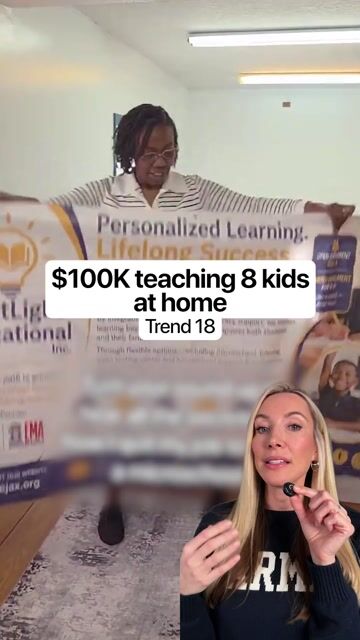
Watch 1:18Microschools
Teacher-founders leaving classrooms to run tiny schools of 5–12 kids, and parents who left traditional school and never went back. Both groups have made a permanent structural decision and need real operational infrastructure — compliance, curriculum, payments, insurance, and space — to make it work.
+181%1,060/mo
top search “pod education”