More audiences like this one
Also in Health. Sorted by how fast they are growing.
149Health
The med spa crackdown
Med spa owner-operators — NPs, PAs, and physicians running revenue-generating aesthetic practices — are facing a wave of new state laws, active enforcement sweeps, and license revocation risk. With 2026 marking the first year of direct legislative regulation in multiple states, owners need operational compliance infrastructure now: the right agreements, SOPs, and physician oversight structures to protect their license and revenue stream.
+321%340/mo
top search “np collaborative agreement template”14Health
Watch 1:16AI claim appeals
People with health insurance who just got a denial letter and want to fight it but feel buried in paperwork and jargon. AI tools now generate the full appeal letter in under 60 seconds, removing the only real barrier that stopped most people from winning money that was already owed to them.
+238%2,680/mo
top search “denied claim”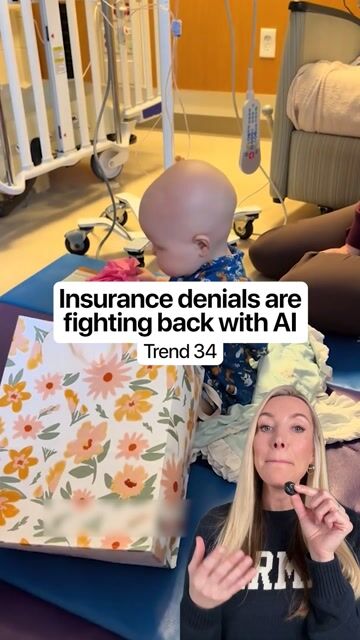
204Health
Fixing your own gut
College-educated women ages 25–55 who spent years getting dismissed by conventional doctors are now self-directing their own SIBO and gut recovery protocols through stacked supplements, at-home breath tests, and functional medicine telehealth. Their core goal is getting their daily life back after years of debilitating bloating, pain, and misdiagnosis — not wellness optimization.
+174%411,000/mo
top search “low fodmap foods for ibs”172Health
De-screening the kids
College-educated, upper-middle-income parents ($100K+ HHI) who are proactively restructuring their household tech environment before harm occurs. They are buying dumb phones, screen-free toys, and joining grassroots pacts to delay smartphones, driven by values around attention, social development, and family culture — not a diagnosed crisis.
+173%261,970/mo
top search “parental lock app”